
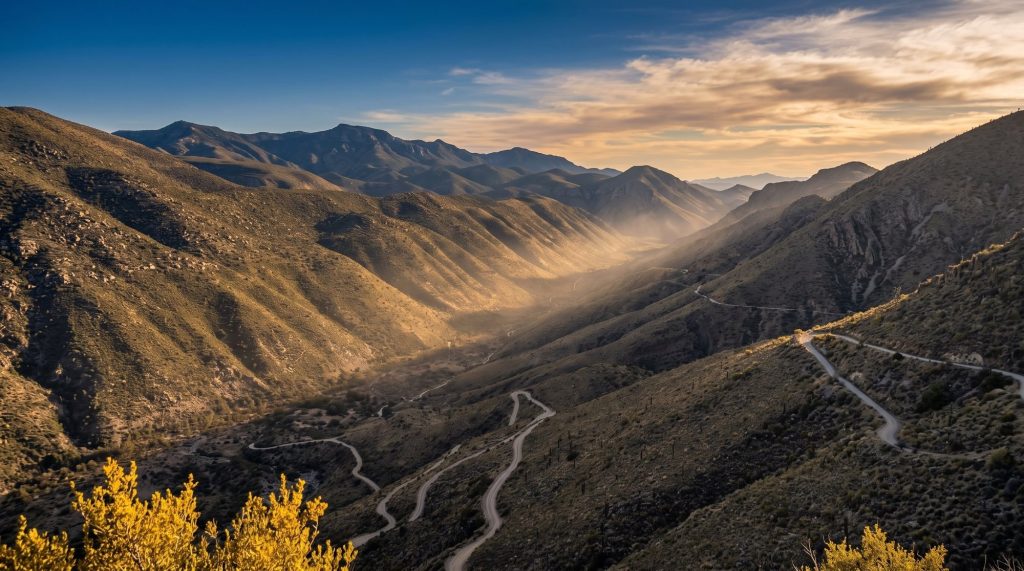
I started this to get my family away from their screens. That is the honest beginning. Walk into almost any house on a Saturday afternoon and you will find the same scene: the kids on their devices, the adults on theirs, everyone in the same room and each of them somewhere else, entertaining themselves. Nobody talking. I walked past that scene in my own lounge one Saturday and decided it was not what any of us would want to remember.
So we drove somewhere. Then somewhere else. Within two months we had seen more of our own country than in the ten years before, on roads that are not on the map, to places that nobody I know had stood on top of.
What I did not expect was what it would do to me.
The world has been shrunk to a screen
Most of us spend the working week inside a rectangle. Meetings in a rectangle, messages in a rectangle, the news in a rectangle, and at night a bigger rectangle on the wall. Your eyes never focus further than an arm’s length. Your attention gets pulled two hundred times a day by something that wants it.
There is a name for what that does to a person. Psychologists call it directed attention fatigue: the tiredness that comes not from doing hard things but from constantly forcing your focus back to where it is supposed to be. It is why you can sit still all day and come home exhausted.
The cure they keep finding, in study after study, is the oldest one there is. Time outside, in a big landscape, doing something that holds your attention without demanding it. Watching a line through rocks. Reading a river crossing. Looking for the road on the far side of a valley.
A weekend on gravel is that cure with the volume turned up.
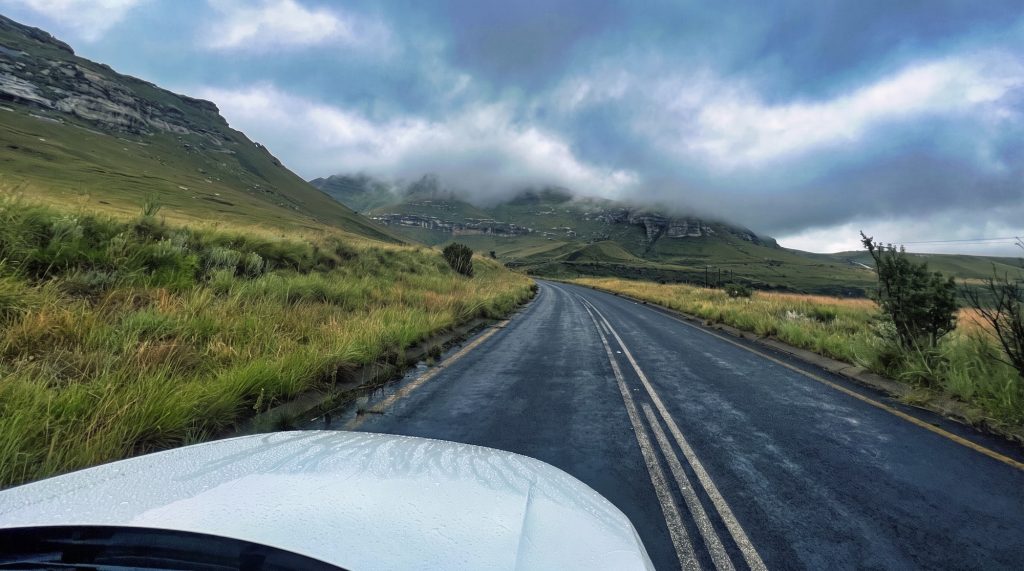
Your whole brain gets the day off, by being used
Here is the strange part. A day of driving a mountain pass is not restful in the way a beach is restful. It is work. You are reading the surface, choosing a line, feeling what the car is telling you through the seat, listening to the lead car on the radio, watching the fuel, watching the light.
And yet you get out at the top with your head clearer than it has been in a month.
That is because it uses the parts of you an office never asks for. Depth, distance, balance, judgement, the reading of ground. Those parts have been idle since school, and when you wake them up, the part of you that does spreadsheets finally gets to sit down.
I cannot quote you the research from memory, which rather makes the point. What I can tell you is that on the first drive into the Baviaanskloof, my seven-year-old, who does not stop talking, stopped talking. We got out at the top of the climb and stood there. There were no phones and no engines anywhere in the distance. You do not get silence like that at home, and it takes a minute to trust it.
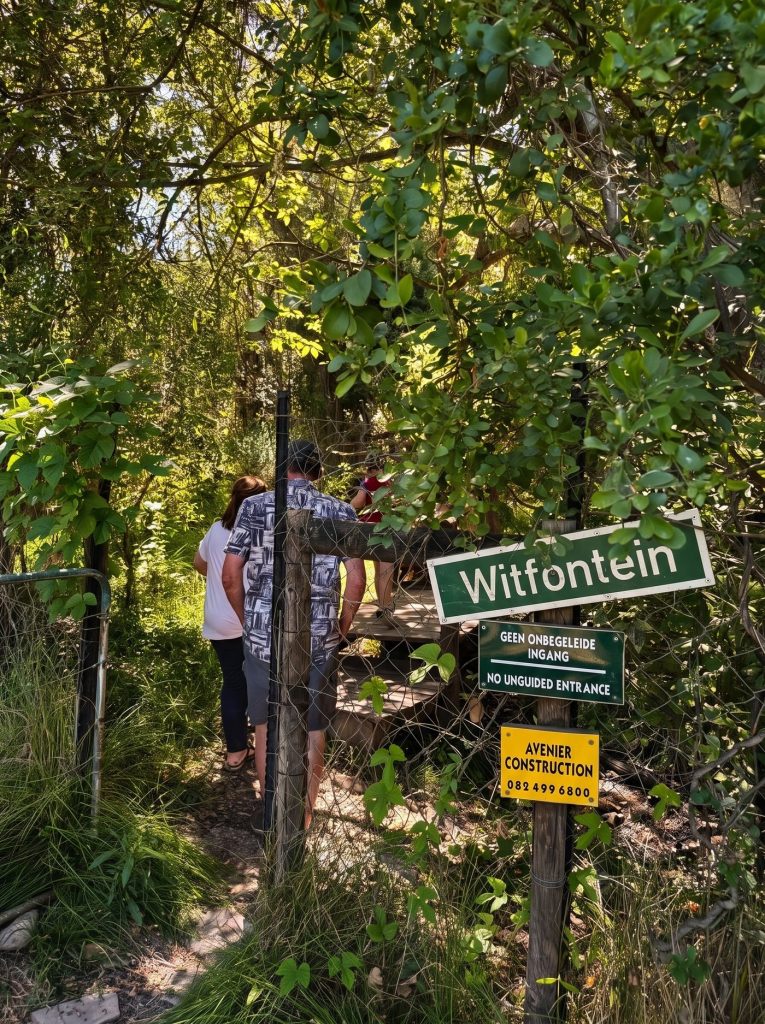
The things that go wrong are the point
Things go wrong out there. A bike does not start. A trailer gets pitched on a slope above a river that is four degrees. The road washes away, or the fuel runs low on a Sunday with the garage shut. There is nobody to phone, so you solve it.
After enough weekends of that, something shifts. You are calmer about the things that go wrong at home, because you have a body of evidence now that you can handle it. The problems on Monday morning have shrunk to their actual size. That is the change I would never have predicted, and it is the one that lasted.
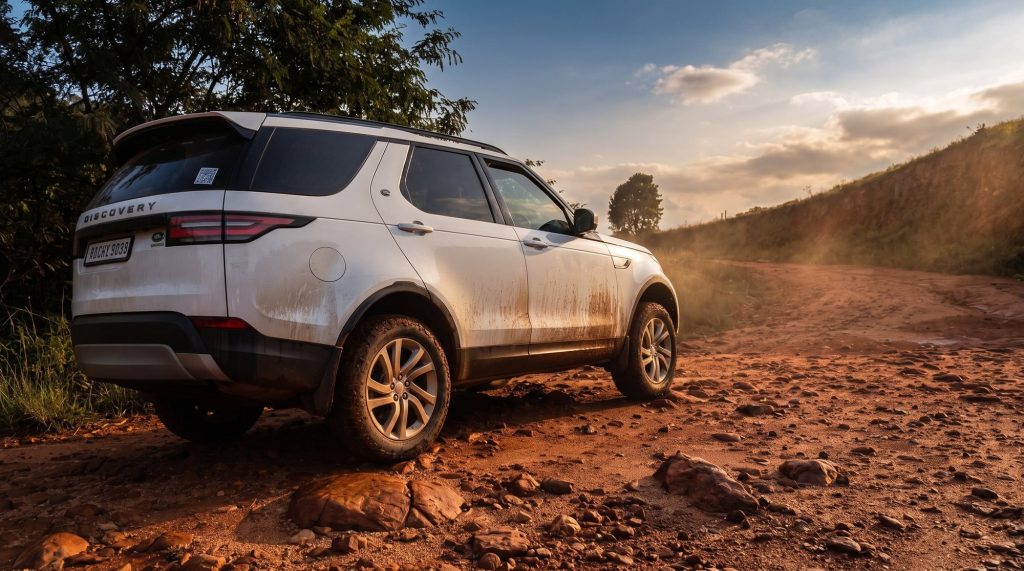
The car in your garage was built for this
The other thing I did not expect was what it does to your relationship with the car.
Most luxury 4×4s live their whole lives on tar. The owner knows the badge and the leather and the sound system, and has never once pressed the buttons on the console that the engineers spent years on. Then one morning the tyres come down at the foot of a pass, low range engages, and the car walks down a rock step you would not attempt on foot.
Somewhere on the way down you hear yourself say the sentence we hear on every expedition: “I had no idea it could do this.”
That is not about the car. It is about you. You bought something capable and never asked it, and you are starting to wonder what else you have not asked.
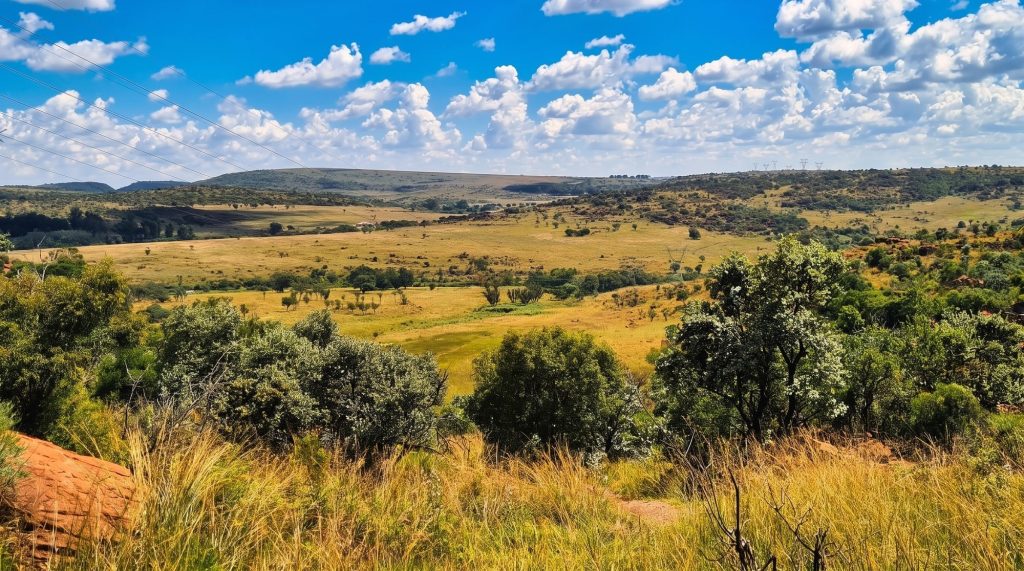
The people
I have never come back from a mountain with a stranger. The radio chatter between the cars on a climb, the pulling over to let someone past, the dinner afterwards where everyone tells the same story slightly louder than it happened: that is what people remember. Not the drive. The people they drove it with.
It is why our expeditions are four cars and no more. Enough for a convoy, few enough for one table.

The waterfall you have to drive to
There is a waterfall in this photograph that you cannot see from any tar road. The last stretch is a track, a walk and a scramble. On a normal weekend you would never find it. On a weekend on gravel it is simply where you happen to end up for lunch.
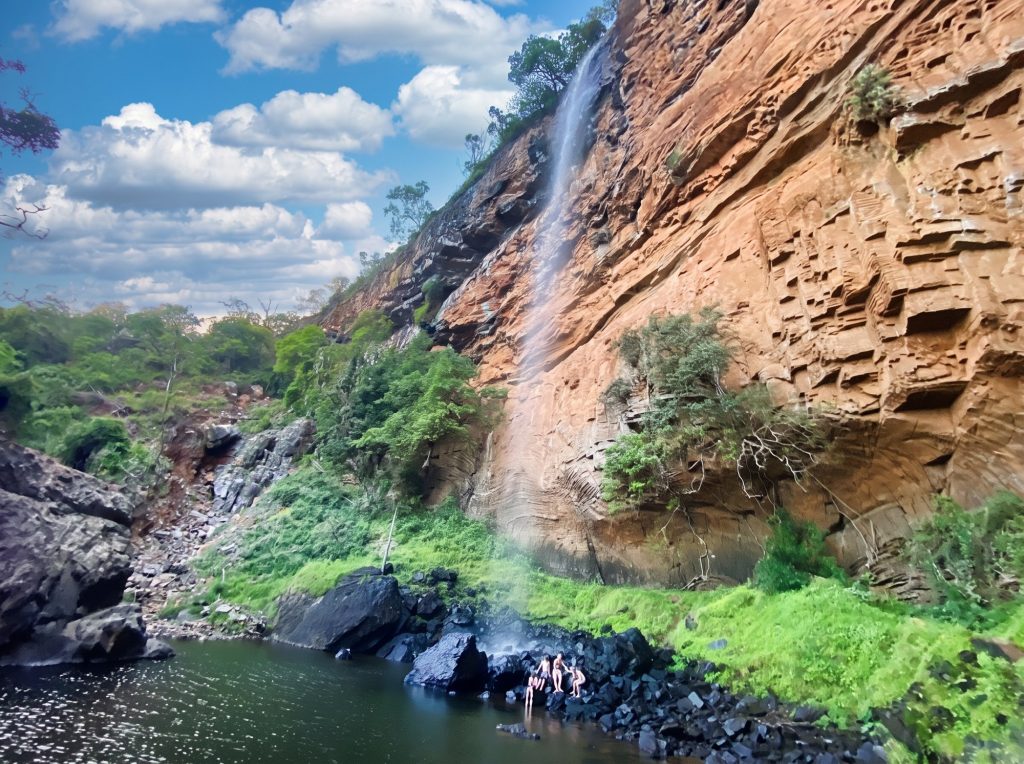
That is the whole idea in one picture. The best of this country is behind a gate, a gravel road and a little nerve. Most people will never go, and the few who do come back different.
Why we built Forgotten Routes around it
We spent years doing this the hard way: the wrong car, the trailer on the slope, the R50 headlamps, the roads nobody had graded in a decade. We learned every mistake so that you do not have to.
Now a Forgotten Routes expedition is three or four days, four cars, and everything handled. A hotel on the beach at Mossel Bay to begin. A lead car in front that has already driven every crossing that morning. Tyres down, tyres up, a walk-around of your own car with someone who knows it. A night under canvas in a place no hotel can reach, with a chef at the fire and champagne on ice. And your luxury 4×4, exactly as it left the showroom, doing the thing it was built for.
You bring the car and one guest. We bring the mountain. Your head gets the rest.
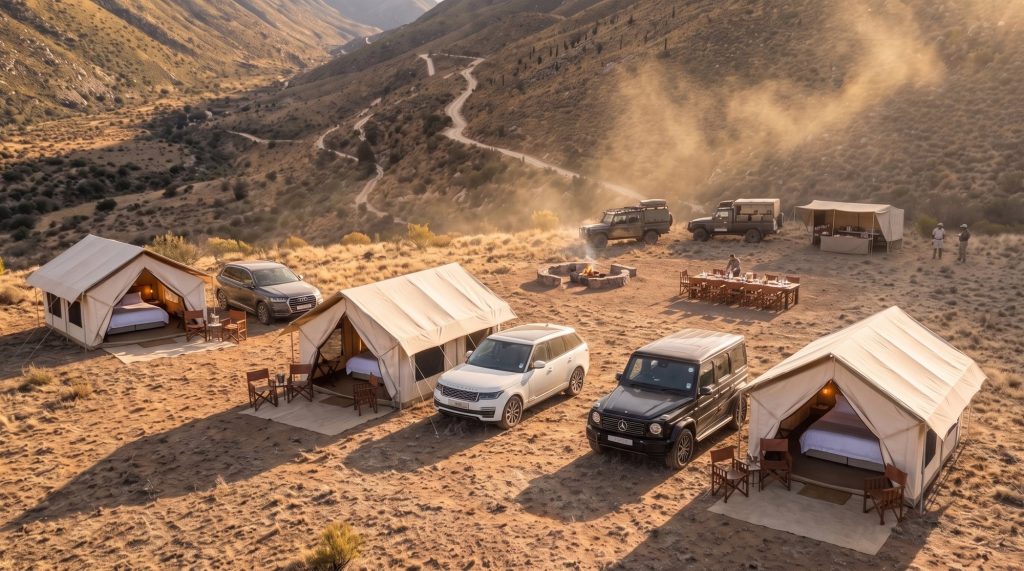
If any of this sounds familiar, watch what a trip up Sani Pass looks like. Then request a place, and we will call.
