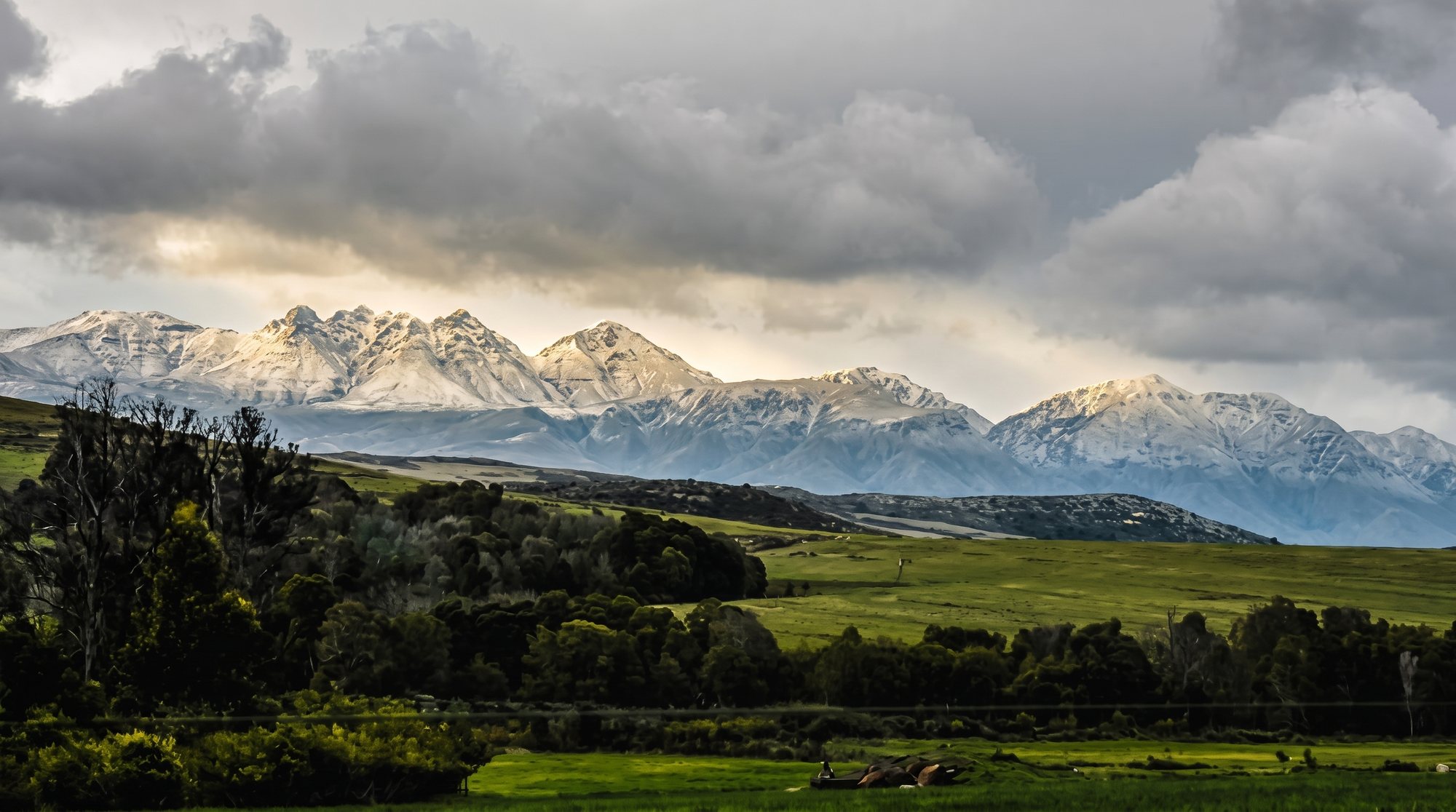
Snow on the Outeniqua peaks above green farmland
The mountain expedition · Outeniqua · Garden Route

Louvain.The ox-wagon routes.

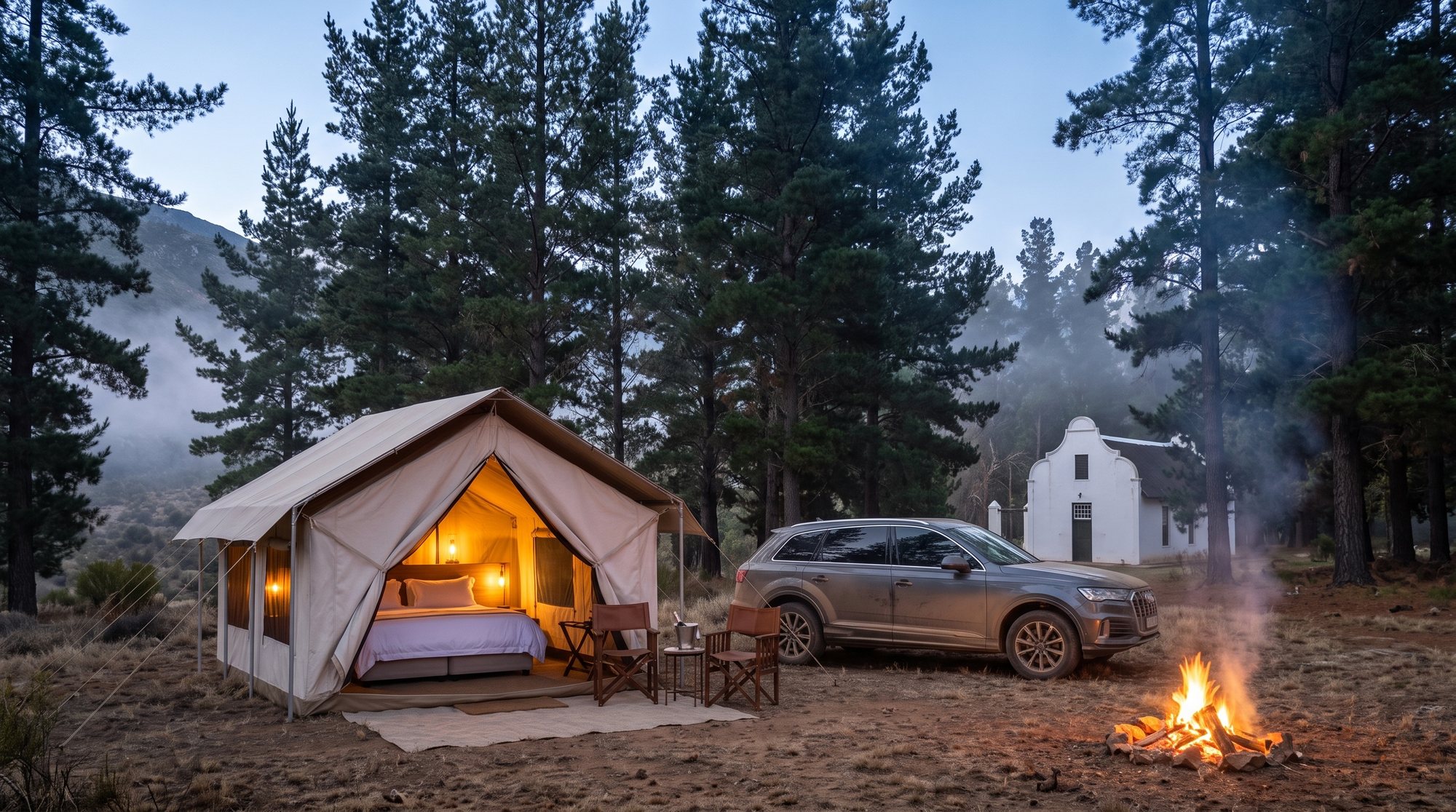
Three days on the passes and forestry roads the ox-wagons used before there was a tar road over the Outeniqua, in your own luxury 4×4. A night under canvas on a farm halfway between George and Uniondale, and a night in a hotel on the coast.

3 days1 night under canvas · 1 in a hotel
Fourcars
Your 4×4as delivered, or one of ours
Per cartwo guests · on request
The place

The road over the mountain before there was a road.

For four hundred years the only way between the coast and the Karoo was over the Outeniqua on foot, hoof and wagon wheel.

The ox-wagon route ran from Heidelberg to De Vlugt on Prince Alfred's Pass, following paths that elephants and the Khoi-San had worn long before. Traders, hunters and soldiers used it. During the Boer War supplies came over it. Contraband witblits came over it too, by a pass that still carries the name. Thomas Bain realigned the worst of it at Duiwelskloof in 1864, and his Montagu Pass of 1847 and Prince Alfred's Pass of 1867 turned a dangerous crossing into a road.

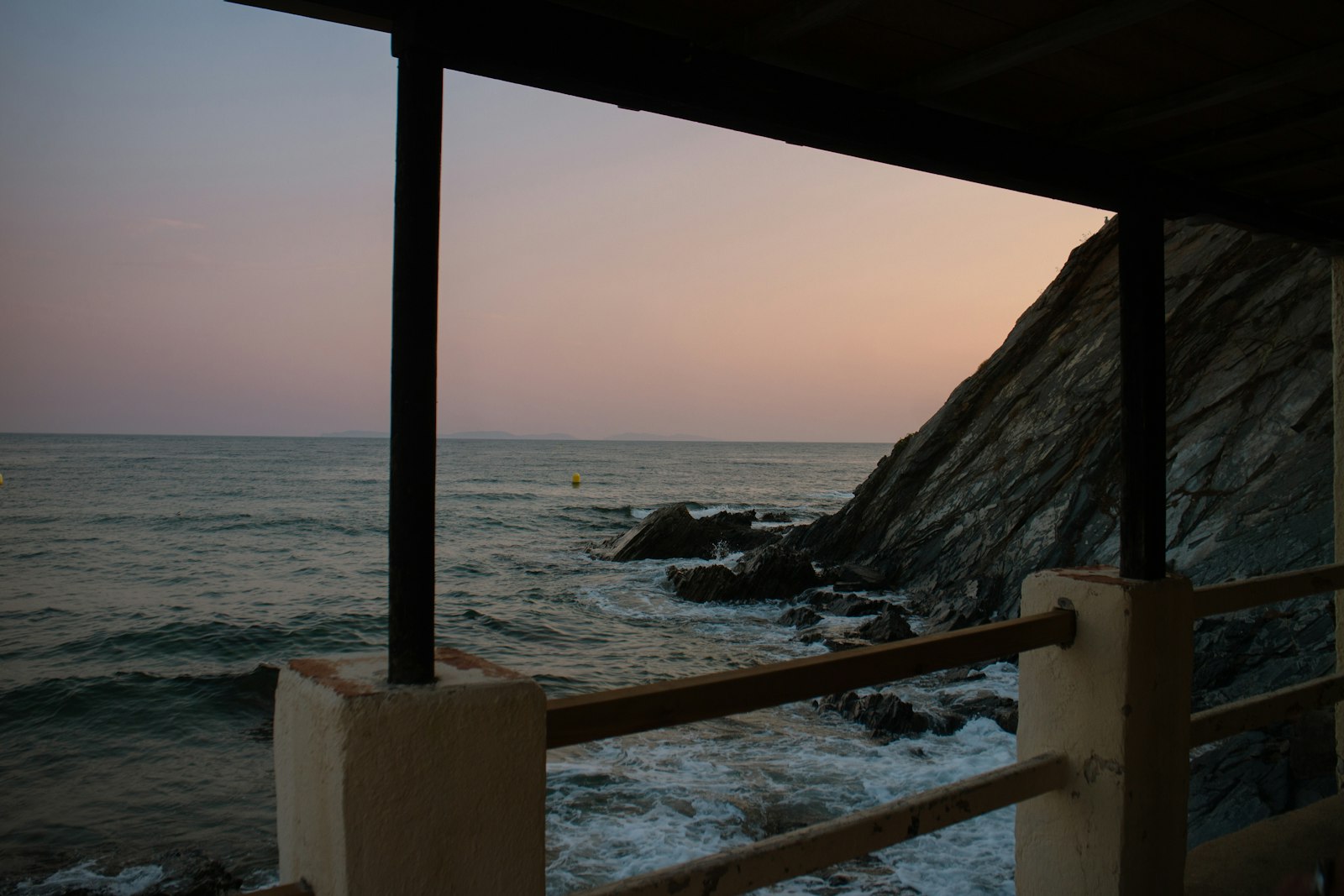
Then the tar came over the Outeniqua Pass and the old routes were forgotten. They are still there: the stone walls, the gradients, the forestry roads and the mountain track that comes out at a picnic spot with the sea on one side and the Karoo on the other. Louvain, the farm halfway between George and Uniondale with the old Cape Dutch church, sits in the middle of it, and that is where the first night is spent.

Montagu Pass

Bain's road, in the morning.

The day starts on the pass the tar replaced: gravel, dry-stone retaining walls and hairpins from 1847, climbing out of George with the coast falling away behind you.

It is a gentle introduction. Low range is not needed yet. What it gives you is the first taste of what the rest of the Garden Route does not see: an empty road, an old one, and the sense that you have left the tourist map behind you within twenty minutes of a good coffee.

At the top the Karoo opens out, the road drops to Louvain, and the forestry begins.

The forestry road behind Louvain, seen through the windscreen
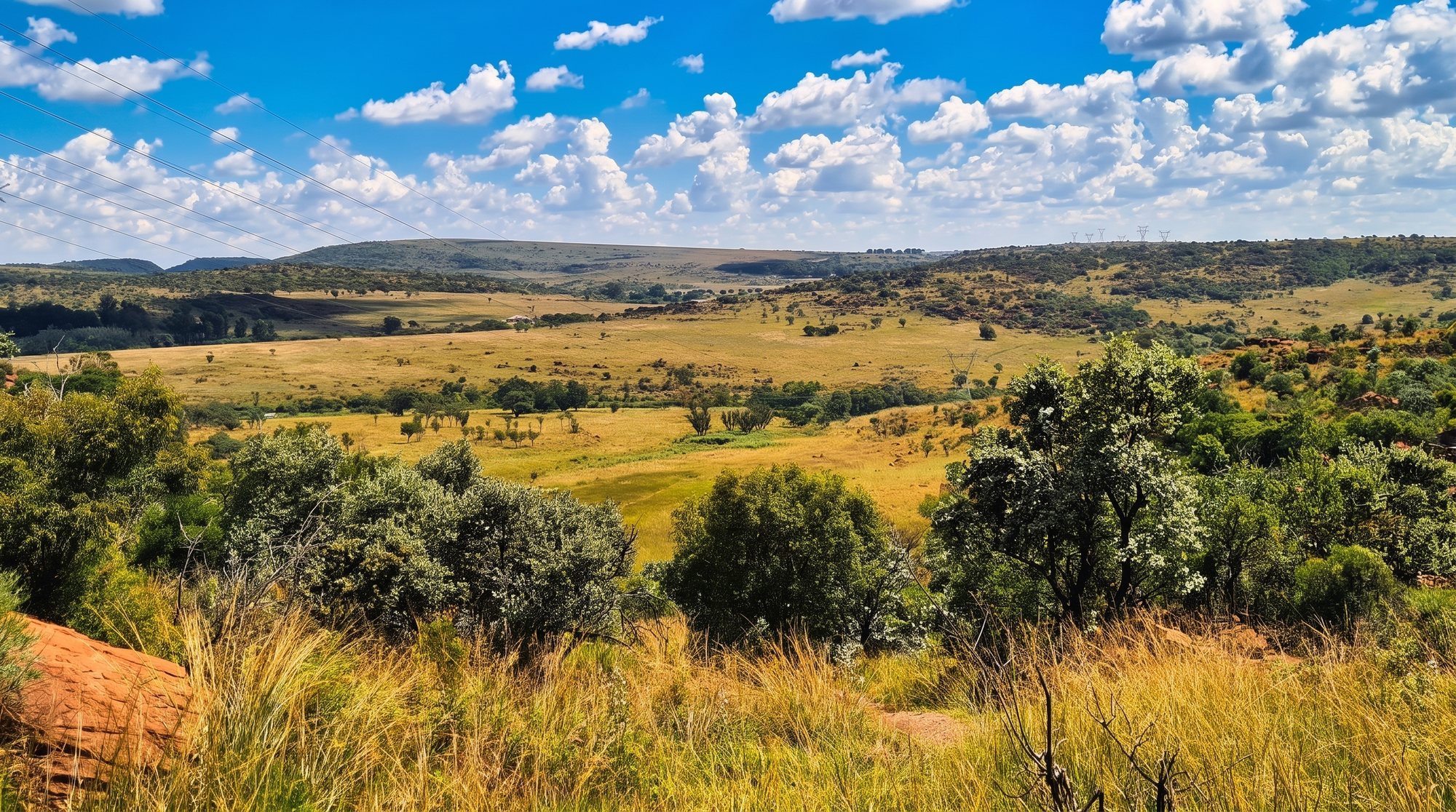
The forestry roads behind Louvain. Empty, all the way to the horizon.
The mountain track on the Outeniqua ridge under a storm sky
Wet weather rule.The mountain clay is not for road tyres in the rain. If it rains, we take the forestry roads and the lead car takes the clay alone.
The mountain

Over the top, the way the wagons went.

From Louvain the track climbs through the plantations and onto the ridge of the Outeniqua on the old ox-wagon line. It is steeper than it looks and longer than it looks, with washed-out sections that ask for low range, first gear and patience rather than speed. The weather changes without warning up here. We have had rain at the bottom and snow at the top on the same afternoon.

The picnic spot near the summit is the reason people do it: the Indian Ocean on one side, the Klein Karoo on the other, and nothing man-made in sight except the road you came up. Lunch is laid there.

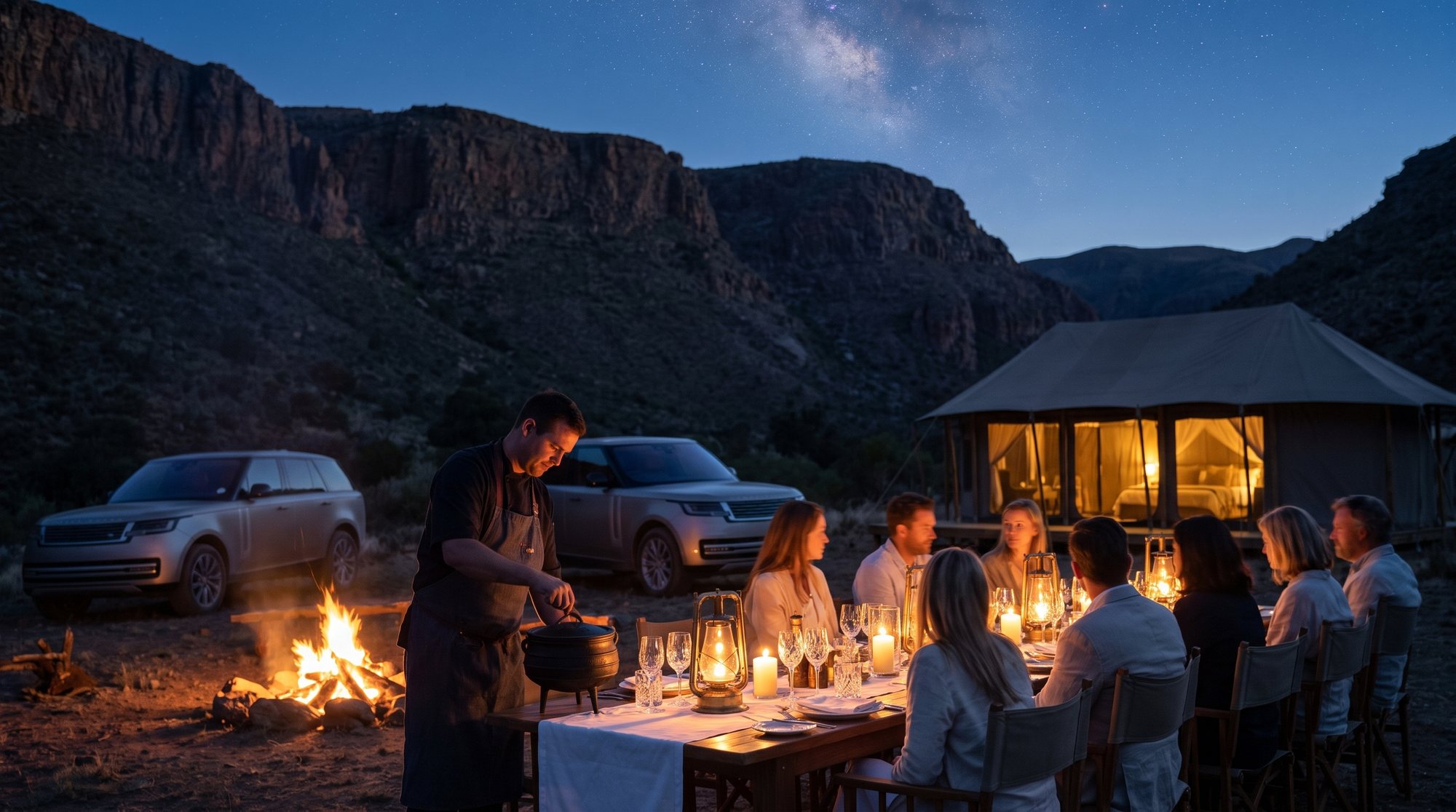
Then down the far side through the forestry to the coast and a hotel near Wilderness, with a bath, a long dinner and the sea outside the window. Louvain has an obstacle course, and the lead car will show you what a luxury 4×4 can do on it. You will not be asked to follow it.

Three days

The shape of it

Day 1

Montagu Pass to Louvain

Convoy from George. Bain's pass in the morning. The Karoo side, the forestry roads and the farm. Camp standing among the pines, with the old church for company, by the time the light goes soft.

Day 2

The ox-wagon route

Up the mountain on the old wagon line. Lunch at the picnic spot with the sea on one side and the Karoo on the other. Down through the forestry to a hotel on the coast near Wilderness.

Day 3

Home

Breakfast by the sea. Tyres back to road pressure. The drive home on the tar road over the Outeniqua, looking up at where you were yesterday.

Upcoming

Louvain dates

Louvain runs every third month, at the end of the month. Four cars at most.

Places by request

The sea on one side. The Karoo on the other.

Tell us what you drive and when you would like to come. If there is a place, we call.